
The Primary Suite Renovation: Why the Most Personal Room in Your Home Deserves the Most Considered Design
Every room in a home serves the household. The primary suite is the one that’s supposed to serve you — specifically, privately, completely. It’s the room you return to at the end of every day, the room you begin every morning in, the room that more than any other should feel like it was designed for exactly who you are. Most primary suites don’t come close to that.
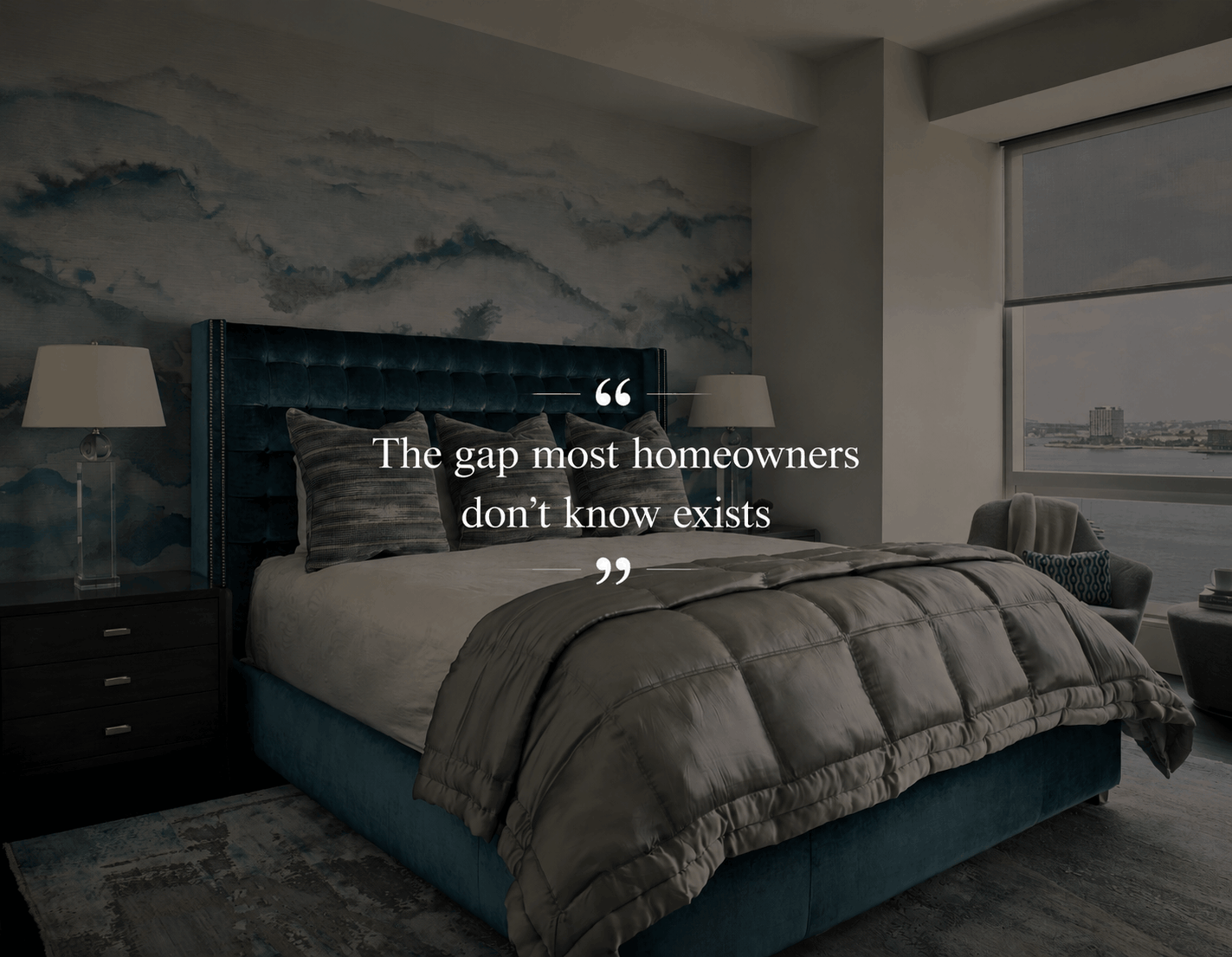
The gap between what a primary suite could be and what most of them actually are is one of the most consistent themes in the renovation conversations we have at Interiology. Homeowners who’ve invested significantly in their kitchens, their living spaces, their landscaping — and are sleeping in a bathroom that hasn’t been touched since 1994. Not because they don’t want better. Because they haven’t found the right moment, or the right firm, to make it happen.
This is what a considered primary suite renovation looks like — and why it’s worth doing right.
What most primary suites get wrong
The most common failure in primary suite design isn’t aesthetic — it’s functional. Bathrooms designed around a single vanity for a couple who needs two. Shower enclosures sized for building code minimums rather than actual use. Storage that was never enough and has only gotten worse. Lighting that serves neither grooming nor ambiance particularly well.
These functional failures compound over time. A bathroom that works adequately becomes one you’ve learned to work around. The frustrations become invisible — until you see what’s possible, and suddenly they’re all you can see.
The second most common failure is the absence of a point of view. A primary suite that’s been assembled from individual good decisions — nice tile, nice fixtures, nice vanity — but that never arrived at a singular feeling. Spa. Sanctuary. Warmth. Clarity. Whatever the room should feel like, it should feel like that completely — not like a collection of elements that don’t quite know what they’re trying to say together.
“The primary suite is the most personal room in the house. It should feel personal. Not like a hotel room, not like a showroom — like a space designed specifically for the people who live in it.”
Starting with how you actually live in this room
Before any conversation about tile or stone or fixtures, we want to understand the morning. Specifically — whose morning, and what it looks like.
Are both people getting ready at the same time? Do you need separate vanities, separate zones, or genuinely separate spaces? Is the shower a five-minute functional necessity or a fifteen-minute ritual? Is the bathtub used — actually used — or is it a visual anchor that takes up a third of the floor plan and collects towels?
These questions sound simple. The answers consistently reshape the design. The couple who describes very different morning routines often needs a layout that gives each person their own space within the bathroom — not just two sinks, but a genuine separation of zones that lets both people function without choreography. The homeowner who travels frequently for work and comes home to a bathroom that feels like an airport hotel is after something very different: warmth, materiality, the immediate sense of being somewhere that’s unambiguously theirs.
The bathtub question
This comes up in nearly every primary bathroom conversation, and our answer is almost always a question in return: when did you last take a bath? Not a shower — a bath. If the honest answer is years, or never, the square footage occupied by a freestanding soaking tub might be better invested in a shower that’s genuinely exceptional.
A walk-in shower designed with real intention — heated floors, multiple spray sources, a bench sized for actual use, glass that disappears into the room rather than dividing it — is the thing most homeowners use every day. A beautiful tub that functions as sculpture is wonderful if sculpture is what you want. But the budget and the floor plan should serve how the room gets used, not how it photographs.
On Heated Floors
Radiant floor heating in a primary bathroom is one of the highest-satisfaction renovations we do — and one of the most consistently underestimated. The cost is modest relative to the overall project. The experience of stepping onto a warm floor on a January morning in Massachusetts is not. If you’re opening the floor for any reason, the answer is almost always yes.
Materials that belong in a bedroom
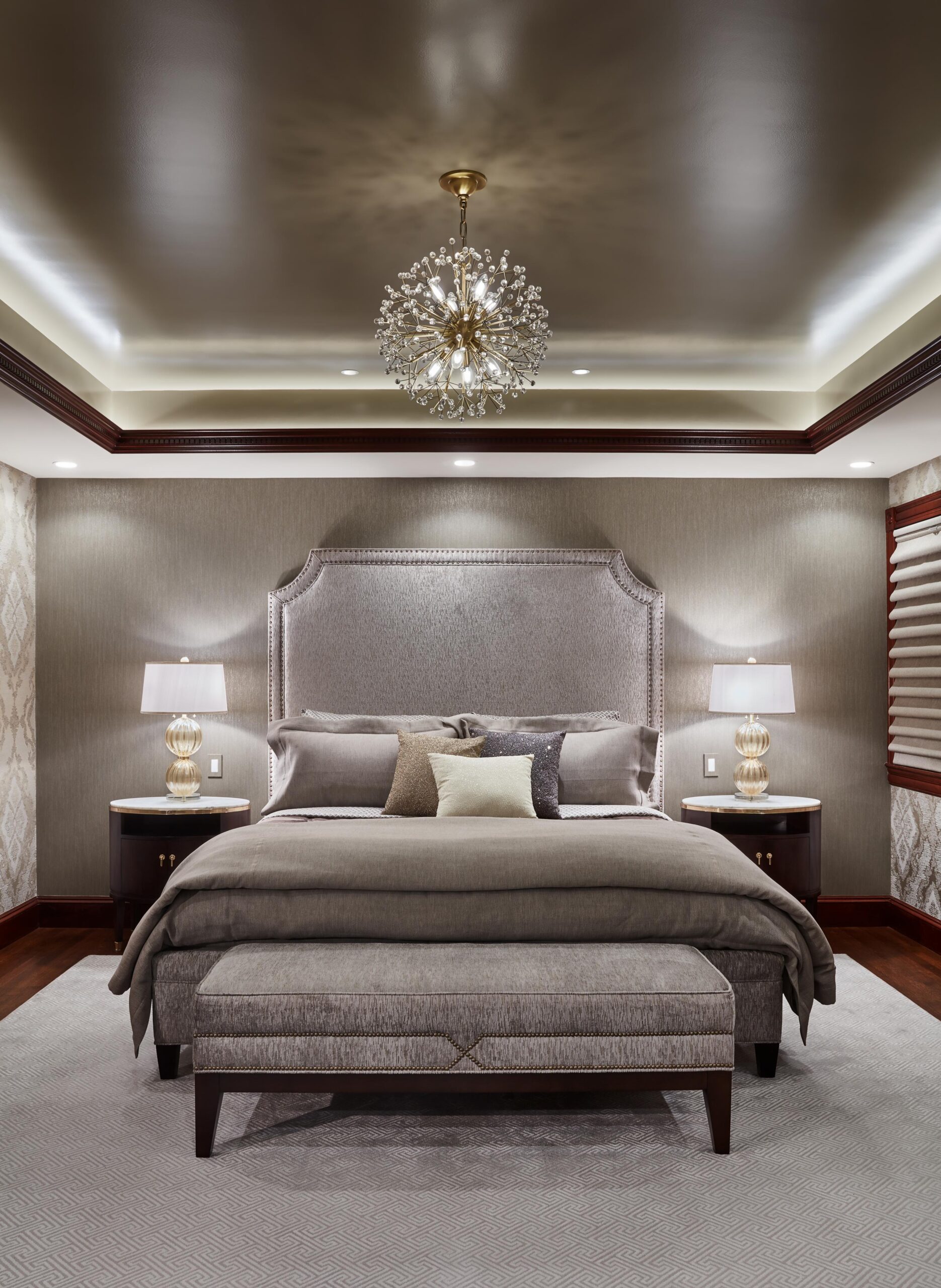
The primary suite exists at the intersection of bathroom and bedroom — and the best ones feel like both. Materials that are warm rather than clinical. Stone with movement and depth rather than pattern for its own sake. Wood tones on vanity cabinetry that read as furniture rather than cabinetry. Lighting that can shift from functional to ambient without competing with itself.
This tonal warmth is harder to achieve than it looks, and it’s one of the places where seeing materials at scale — in the Experience Studio, under real light, next to each other — makes the most difference. A marble that reads as cool and modern on a sample board can read as warm and enveloping at slab scale. A wood tone that seems too dark in a showroom disappears into a bathroom that has the right lighting plan. These are not decisions that should be made from samples.
The primary bedroom itself
The suite, not just the bathroom. The bedroom component of a primary suite renovation is often where the most meaningful quality-of-life improvements happen — and the most commonly overlooked.
Custom millwork that replaces a collection of furniture pieces with something that feels designed rather than assembled. A wardrobe system that actually works for the clothes that actually exist in it, rather than an optimistic fantasy of future organization. Window treatments that make the room genuinely dark when it needs to be dark. A lighting plan that separates reading light from ambient light from the overhead that nobody uses after the first week.
These aren’t small details. They’re the difference between a bedroom you sleep in and a room you want to spend time in.
What the investment looks like
A primary suite renovation at the level Interiology works — including bathroom and bedroom with custom millwork — typically ranges from $80,000 to $200,000 and above, depending on scope and existing conditions. Projects that involve structural changes, plumbing relocations, or a complete reconfiguration of the space sit toward the higher end of that range. Projects that work within the existing footprint with significant finish and fixture upgrades can be accomplished at the lower end.
The timeline for a well-managed primary suite renovation is typically twelve to twenty weeks from design completion to finished product. The design phase — where the layout, materials, and specifications are established — typically runs six to eight weeks before any product is ordered.
What the investment buys, ultimately, is the room you’ve been meaning to have for years. The one that serves you the way the rest of the house serves everyone else. The one that makes the end of the day feel like arriving somewhere, rather than just stopping.
If you’re ready to have that conversation, the studio is open. We’d love to show you what’s possible.

The right fit starts
with a single meeting.
Tell us about the project. We'll tell you what's possible — and whether we're the right team to get you there.
Schedule A Consultation